
Weather as it happens
Precipitation radar with 3D radar volumes, global clouds and rain, lightning, and the fronts and pressure systems behind them.
Makers of EarthBrowser
Geodata Labs builds EarthBrowser, a live 3D globe that puts weather radar, hurricanes, wildfires, earthquakes, satellites and the aurora on one view of the Earth.
Free in your browser · Nothing to install
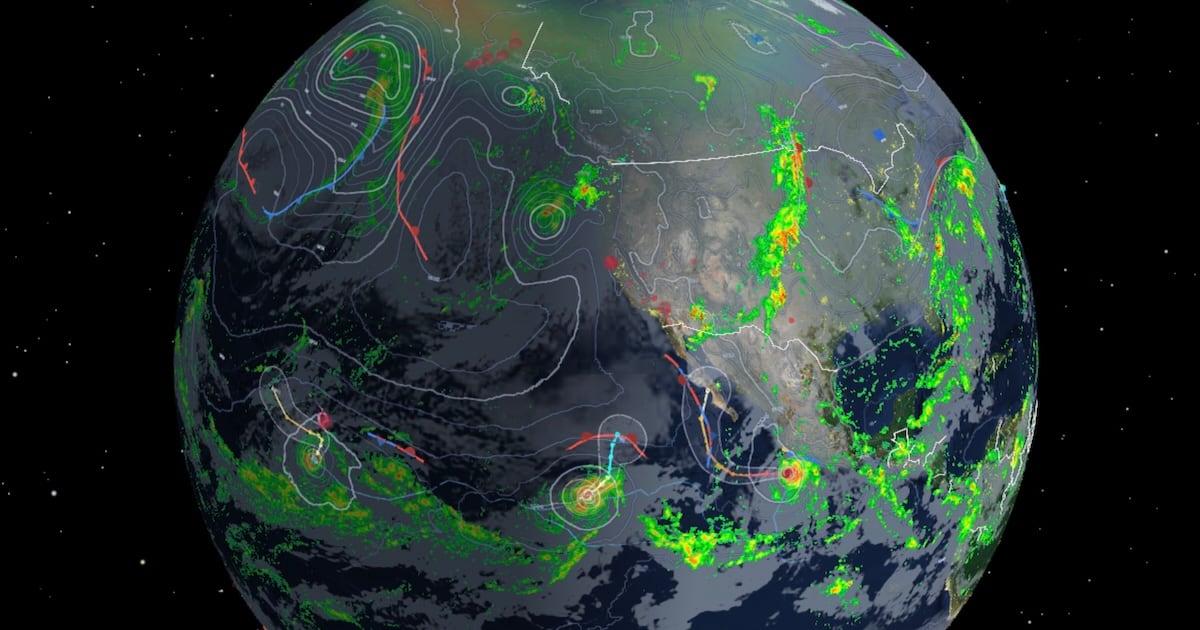
A 3D globe of the Earth that changes as the world does. It runs in a web browser, and every live layer is free to use.
Precipitation radar with 3D radar volumes, global clouds and rain, lightning, and the fronts and pressure systems behind them.
Hurricanes and tropical storms with their tracks, weather alerts, and forecasts that reach up to 10 days ahead.
Earthquakes with cross-sections of the crust beneath them, volcanoes, and active wildfires with their smoke.
Satellites tracked in real time, the International Space Station, Starlink trains, aurora forecasts and a light pollution map.
Buoy reports, waves and swell, ocean currents, sea surface temperature and tide times.
Save a view, share it as a link, turn it into a guided story, embed it in a page or export it as video.
Four views from EarthBrowser. Each one links to the live version.
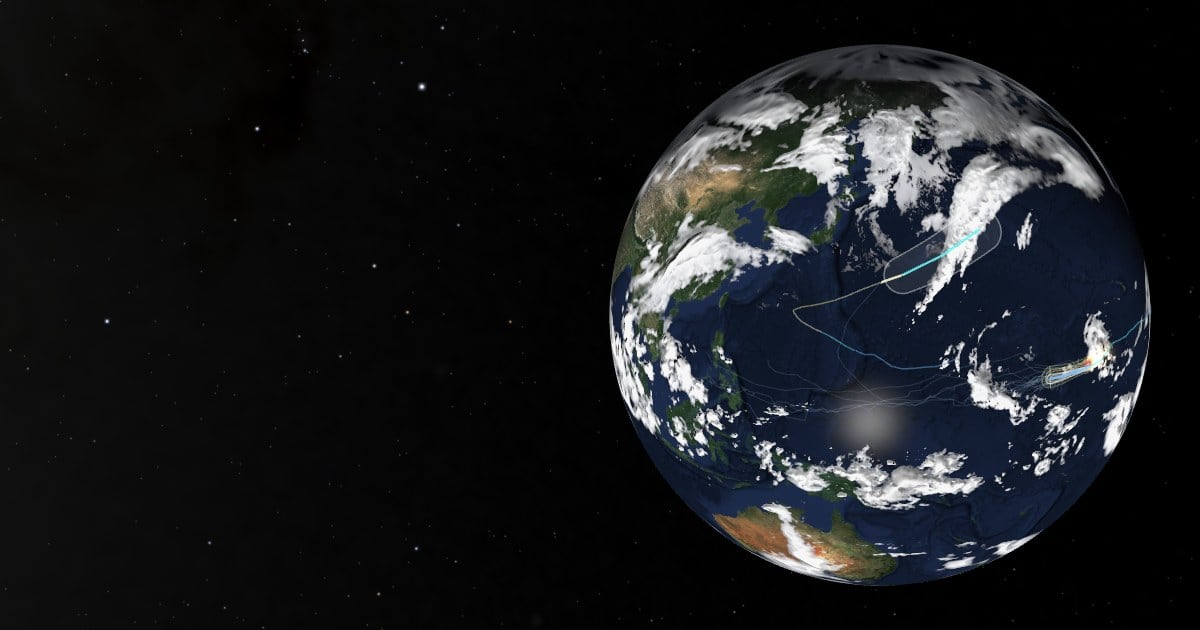
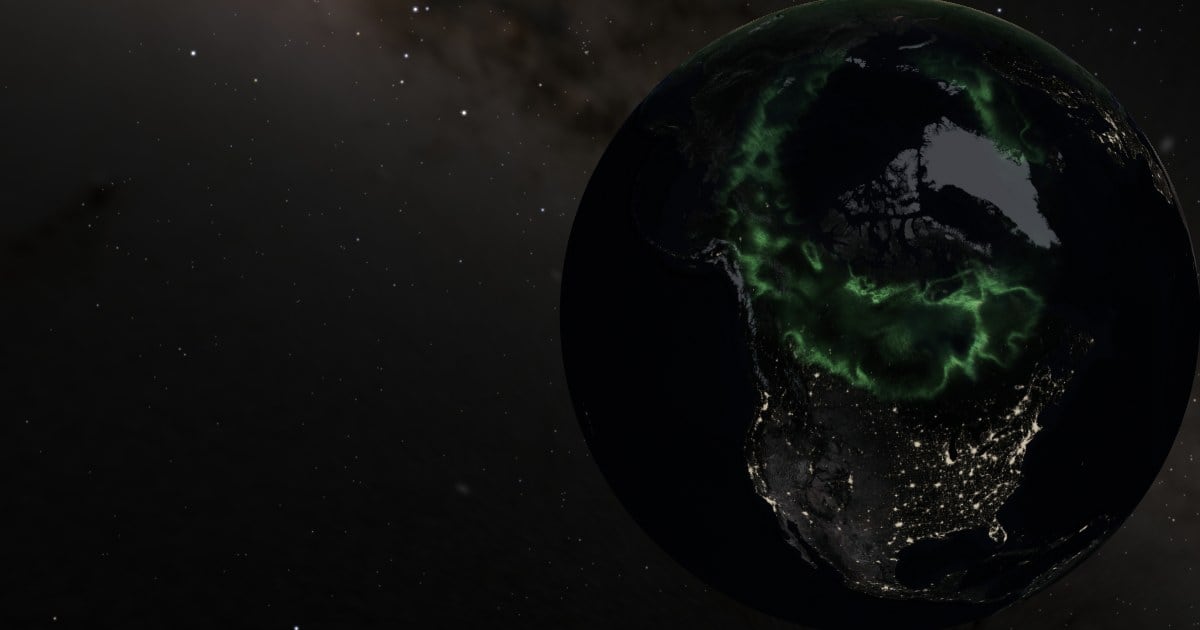
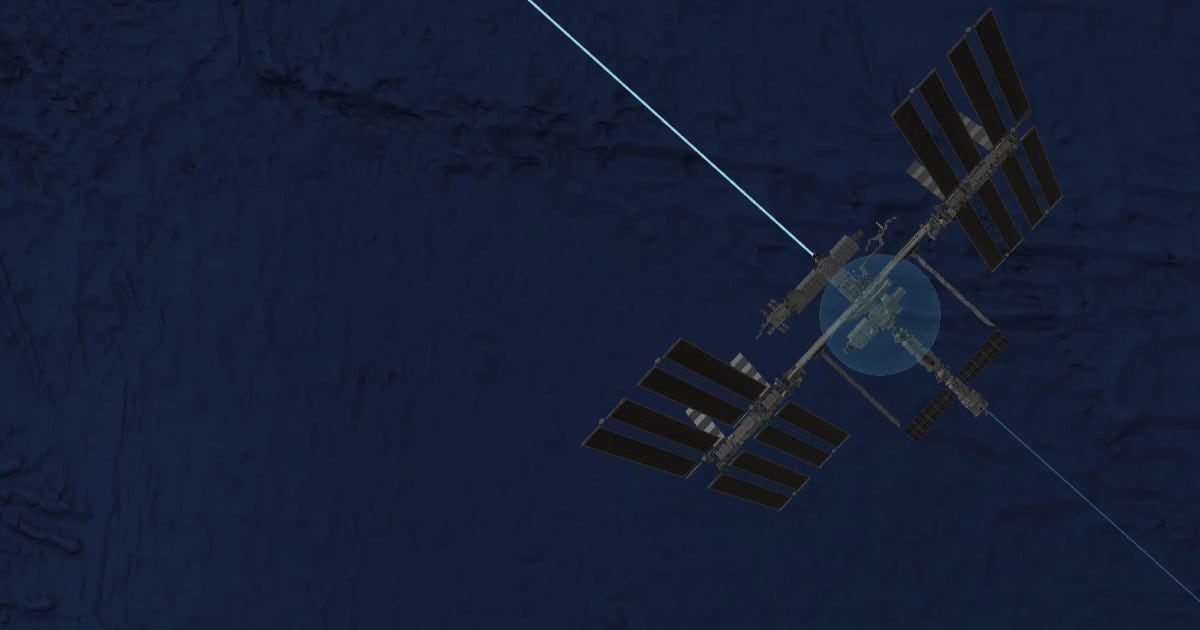
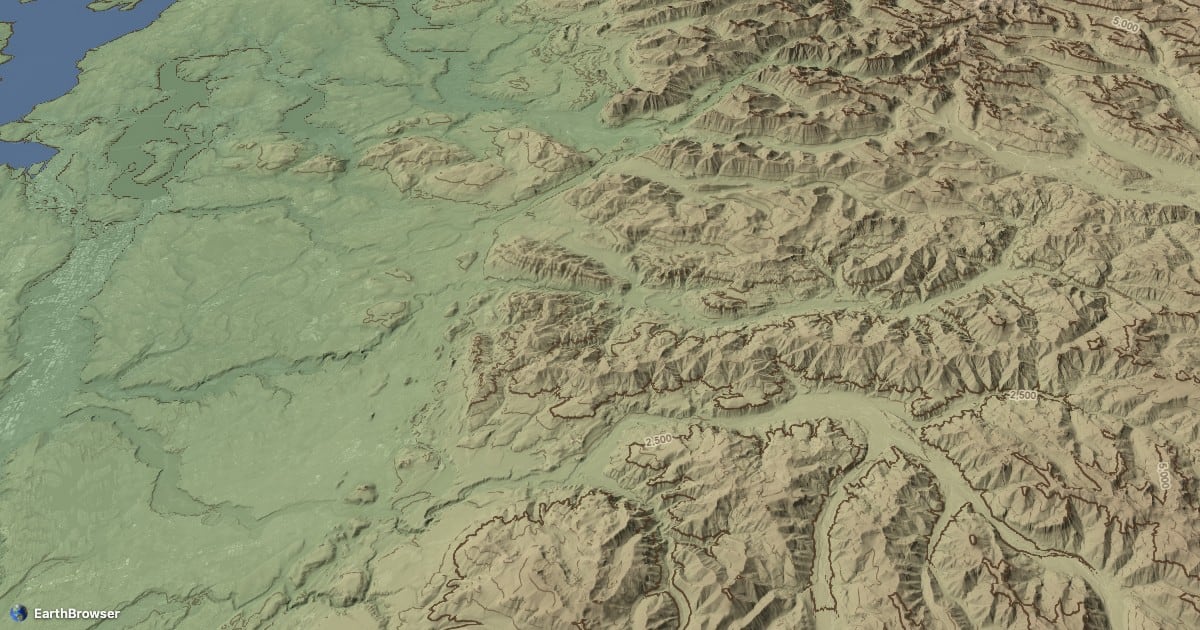
Satellite base map: Sentinel-2 cloudless by EOX IT Services GmbH (contains modified Copernicus Sentinel data 2022). Every source is credited on EarthBrowser's attribution page.
Live from earthbrowser.com
It's EarthBrowser itself, not a recording, drawing the clouds and rain of the last few hours. Click it, then drag to turn the Earth.
Anyone can put a globe like this on their own page. EarthBrowser hands out an embed code for a saved view or for a storm, earthquake or other feature, and it needs no account and no API key. The terms for embedding are short.
The free version of EarthBrowser includes every live layer, with no third‑party ads. A yearly plan adds longer forecasts, a longer look back in time and more devices.
See pricingGeodata Labs, LLC is the company behind EarthBrowser. We design and build the globe, run the data pipelines that keep it current, and support the people who use it.
EarthBrowser is built on public data from agencies and open projects, including NOAA, NASA, USGS, EUMETSAT, the Smithsonian Institution and OpenStreetMap. Every source is credited on the attribution page.
Working on something a live globe would help explain, in a newsroom, a classroom or a museum? We would like to hear about it.
Contact usWe make EarthBrowser, a live 3D globe of the Earth, and everything that keeps it running: the rendering engine, the data pipelines and the apps.
Yes. The free version includes every live layer, 3-day forecasts and a 2-hour radar loop. A yearly plan at $39.99 adds forecasts up to 10 days, a 48-hour radar time machine and more devices. The current details are on the pricing page.
A current web browser with JavaScript and WebGL 2, on a computer, tablet or phone. Native apps for iPhone, iPad and Mac are in development, and the download page is where they will appear.
From public sources such as NOAA, NASA, USGS, EUMETSAT and the Smithsonian Institution, over a satellite base map from EOX. The full list, with licenses, is on the attribution page.
Yes. In EarthBrowser, copy the embed code for a saved view or a feature and paste it into your page. It works without an account or an API key. The terms describe what embedded use allows.
Write to support@earthbrowser.com, whether it is about EarthBrowser or about Geodata Labs. The Contact page has the details.
EarthBrowser is free and runs in your browser.
Open EarthBrowser